
【Academic Report】“Chen Bangjie Forum” 66th:Research on the Ecosystem Microbiome of Populus euphratica Rhizosphere Specialized and Generalist Species and the Restoration of Grassland Soil Microbiota.
On the afternoon of December 2nd at 14:30, the 66th session of the "Chen Bangjie Lecture Series" at the College of Life Sciences was successfully held in the multi-function conference room on the third floor of Xingzhi Building. Invited by Professor He Wei from Nanjing Normal University's College of Life Sciences, Professor He Xiaoqing from Beijing Forestry University presented an academic lecture titled "Research on Ecosystem Microbiome of Populus euphratica Rhizosphere Specialized and Generalist Species and the Restoration of Grassland Soil Microbiota." The lecture was chaired by Professor He Wei from the College of Life Sciences, with active participation from faculty and students. Professor He Xiaoqing discussed the role of microbes in alleviating salt-alkali stress in plants and the dynamic changes of microbial specialists and generalists during vegetation restoration in two typical ecological systems.

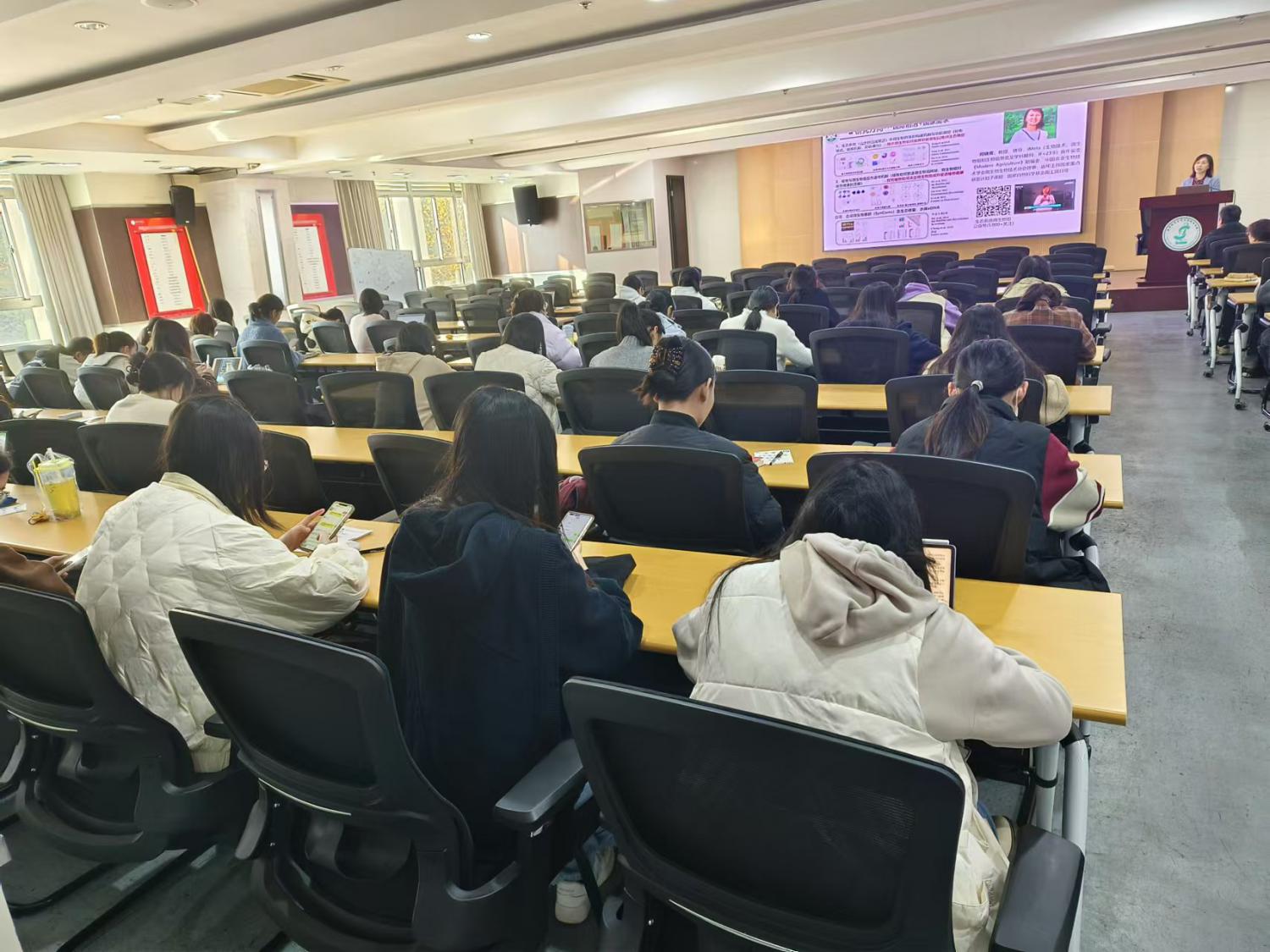
The report first overviewed previous work, including whole-genome systematic mapping of microbial interaction genetic mechanisms and plant-microbiome interaction genetic mechanisms. It then focused on the assembly mechanisms, network characteristics, and functional compensation of Populus euphratica rhizosphere specialized and generalist species under salt stress, exploring the impact of plant microbiomes on plant growth and health, and how plants recruit rhizosphere probiotics under stress. The study also involved the role of key microbes in the long-term restoration of degraded alpine grasslands and the impact of ecosystem microbiomes on the flow of matter and energy. The report emphasized the importance of microbiomes in enhancing the stress resistance of ecosystems and raised scientific questions about the recovery characteristics of degraded alpine grasslands, summarizing that the microbial dimension can effectively characterize the recovery characteristics of degraded alpine grasslands and the role of key microbes in the recovery of microbial networks. Finally, Professor He Xiaoqing engaged in a lively discussion and exchange with teachers and students present, answering questions about microbial ecological analysis methods, challenges faced, and solutions.